Table of contents
Why Jeju Island Weather Matters for Your Trip
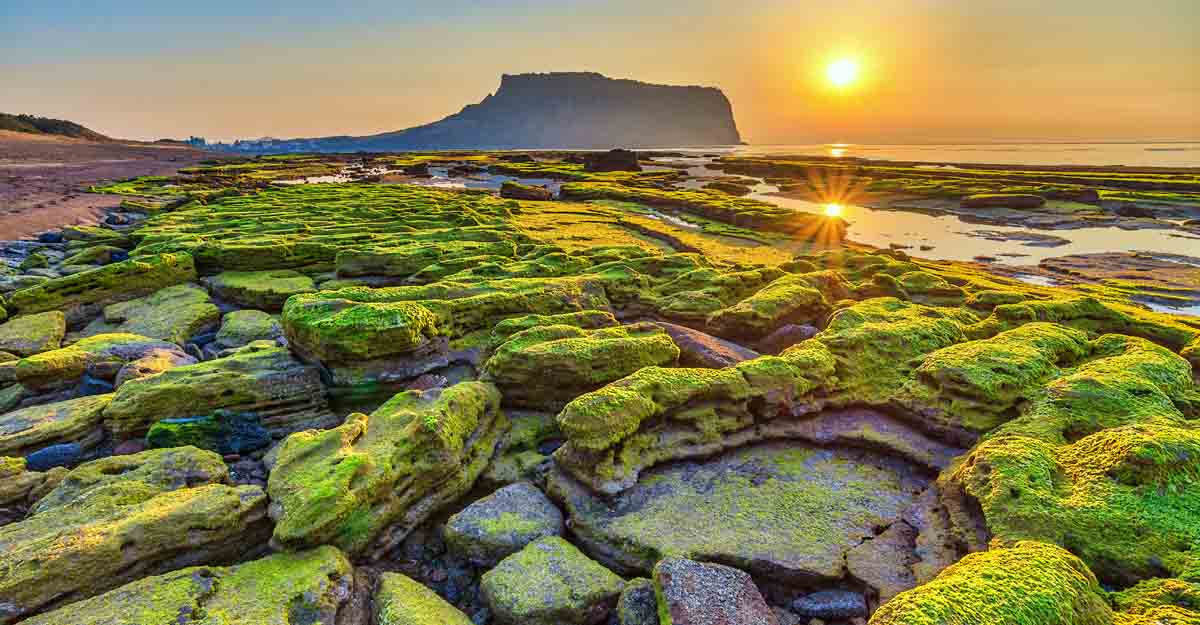
Often called the “Hawaii of South Korea,” Jeju Island is famous for its mild climate, scenic landscapes, and year-round travel appeal.
However, understanding Jeju Island weather is key to planning the perfect trip—because each season offers a completely different experience.
Jeju Island Weather Overview
Jeju has a temperate climate with four distinct seasons, but it’s generally more pleasant than mainland Korea.
- Mild temperatures year-round
- Fresh coastal air
- Seasonal landscapes (flowers, foliage, snow)
This makes Jeju one of the best all-season travel destinations in Asia.
For more dishes like this, explore our Vietnamese food guide.
Spring (March – May): Best for Flowers & Festivals
- Temperature: ~15–22°C
- Weather: Mild and comfortable
Highlights:
- Cherry blossom festivals
- Canola flower fields
- Scenic walking trails
Perfect for photography and outdoor exploration.
Summer (June – August): Best for Nature & Adventure
- Temperature: ~22°C+ (cool coastal breeze)
- Weather: Warm but not extreme
Activities:
- Beach trips
- Water sports (kayaking, diving)
- Exploring waterfalls and cliffs
Great for adventure travelers.
Fall (September – November): Most Scenic Season
- Cool and slightly chilly
- Clear skies and golden landscapes
Highlights:
- Autumn foliage
- Peaceful hiking routes
- Less crowded attractions
Ideal for relaxed travel and nature lovers.
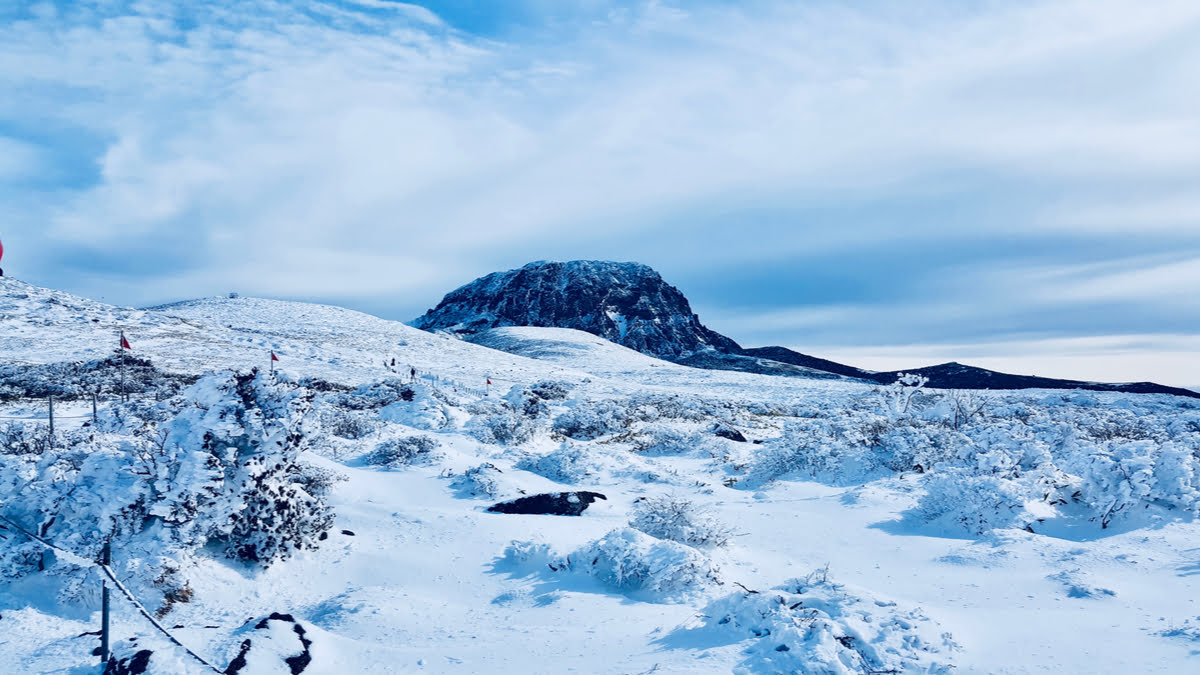
Winter (December – February): Snow & Unique Experiences
- Temperature: ~5–7°C
- Weather: Cold but not extreme
Experiences:
- Snow-covered landscapes
- Winter festivals
- Hot Korean dishes
A completely different side of Jeju.
Seasonal Experiences You Shouldn’t Miss
Spring Highlights
- Flower festivals
- Dulle-gil ecological trails
- Artistic villages
Summer Highlights
- Hallasan mountain ecosystem
- Jusangjeolli cliffs
- Jeongbang waterfall
Fall Highlights
- Seongsan Ilchulbong
- Scenic coastal roads
- Quiet valleys
Winter Highlights
- Snow scenery
- Ski festivals
- Cultural attractions
Tips for Planning Around Jeju Island Weather
- Spring & Fall → best overall balance
- Summer → ideal for outdoor activities
- Winter → fewer crowds + unique scenery
- Always check weather before hiking Hallasan
Final Thoughts
Understanding Jeju Island weather helps you unlock the best travel experience based on your preferences.
Whether you’re chasing cherry blossoms, beach adventures, autumn colors, or snowy landscapes, Jeju offers something special in every season.
This post may contain affiliate links. We may earn a commission at no extra cost to you.
Table of contents
Latest Articles
 Sapa Vietnam Hidden Gem: The Ultimate Guide to Exploring Hau Thao Commune
 5 Reasons Muong Hoa Mountain Train Is Sapa’s Best Vintage Journey
 Sapa Vietnam in December: 4 Winter Experiences Beyond the Snow
 Cuc Phuong National Park near Tam Coc Ninh Binh: The Amazing Eco-Maze Guide
 Tam Coc Ninh Binh Lotus Season: 3 Reasons You Must Visit in Summer